
Understanding Mini Split AC Technology
As climate control demands increase, many homeowners are turning to innovative solutions like mini split air conditioning systems. Known for their efficiency and compact design, these systems offer a flexible alternative to traditional HVAC methods, allowing for targeted comfort in various spaces. Understanding the intricacies of mini split AC technology is essential for anyone considering an upgrade or installation in their home or office.
When exploring options, mini split ac systems are gaining popularity due to their versatility and energy efficiency. This article will delve into the mechanics of mini split systems, outlining their core components, benefits, and what you need to consider when choosing the right system for your needs.
What is a Mini Split AC?
A mini split AC, often referred to as a ductless air conditioning system, offers a unique method of cooling and heating spaces without the need for ductwork. This compact system consists of two main components: an outdoor compressor unit and one or more indoor air-handling units. They work together to deliver personalized climate control across different rooms or zones.
Mini split systems utilize refrigerant to transfer heat between the indoor and outdoor units. During cooling mode, the indoor unit absorbs heat and humidity from the room, which is then expelled outside. Conversely, in heating mode, the process is reversed, making mini splits a year-round climate solution.
Key Components and Design Features
- Outdoor Unit: This is the powerhouse of the system, containing the compressor, condenser coil, and fan.
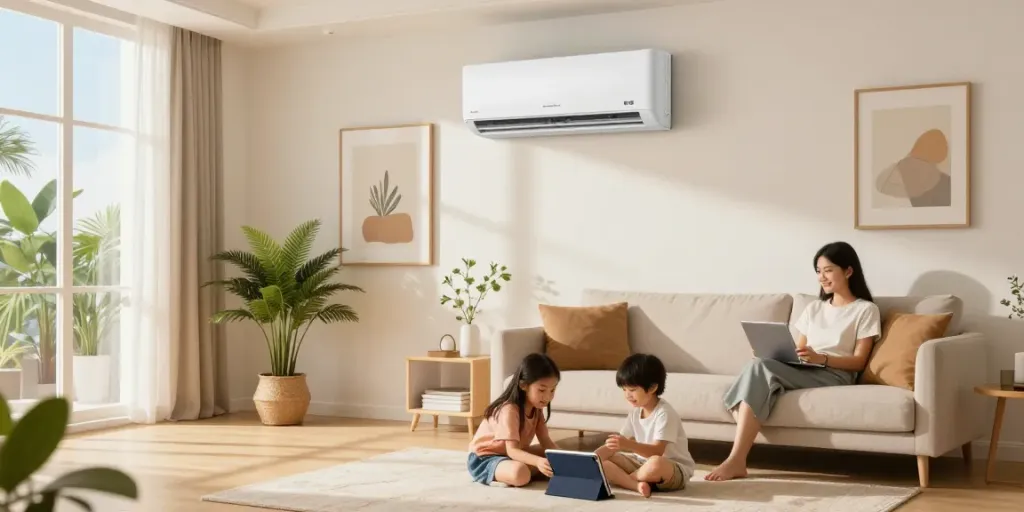
- Indoor Unit: These units are installed within the living space and can come in various styles, including wall-mounted, ceiling-mounted, or floor-mounted options.
- Refrigerant Lines: These connect the indoor and outdoor units and carry the refrigerant that enables heat exchange.
- Thermostatic Control: Most mini split systems have a remote control or wall-mounted thermostat for easy temperature adjustments.
Energy Efficiency Standards for 2026
Looking ahead, mini split AC systems are expected to meet stricter energy efficiency standards to reduce environmental impact while providing effective cooling solutions. The Seasonal Energy Efficiency Ratio (SEER) ratings, which measure the efficiency of cooling equipment, are set to rise significantly in the coming years. Many manufacturers are already producing models that exceed these upcoming regulations, promoting an eco-friendlier approach to climate control.
Benefits of Using a Mini Split AC
Mini split AC systems come with an array of benefits that make them a favorable choice for homeowners and business owners alike. From cost savings to enhanced air quality, these systems can significantly improve indoor living conditions.
Cost Savings and Energy Efficiency
One of the primary advantages of mini split AC systems is their energy efficiency. They typically use less energy than traditional systems, leading to lower utility bills. With advanced inverter technology, mini splits can adjust the compressor speed to match the cooling or heating demand, providing comfort without excessive energy consumption.
In addition to energy efficiency, federal and state rebates for energy-efficient systems can further reduce your overall expenses, making mini split systems a cost-effective solution in the long run.
Flexible Installation Options
Unlike central air systems that require extensive ductwork, mini splits can be installed in a variety of spaces with minimal disruption. Their compact design makes them ideal for homes with limited space or for retrofitting existing structures. Installation can typically be completed in a day, and homeowners often have multiple indoor unit options to suit different areas of their homes, allowing for individualized comfort settings.
Improved Air Quality and Comfort
Mini split systems excel at maintaining better air quality due to their ability to filter outdoor air before circulating it indoors. Many models come equipped with advanced filtration systems that eliminate allergens and pollutants, ensuring a healthier living environment. Furthermore, mini splits allow for personalized temperature control in each room, resulting in improved overall comfort.
Common Challenges with Mini Split AC Systems
While mini split AC systems offer numerous benefits, there are also some challenges that potential users should be aware of before making a decision.
Installation Considerations and Best Practices
The installation of a mini split system requires careful planning and consideration. It is essential to position both the indoor and outdoor units in optimal locations to maximize efficiency and minimize noise. Hiring a qualified HVAC technician is recommended to ensure proper installation and adherence to local codes.
Maintenance Tips for Longevity
Regular maintenance is crucial for ensuring the longevity and efficiency of mini split systems. Homeowners should clean or replace filters monthly, ensure the outdoor unit is free from debris, and schedule annual professional maintenance checks to keep the system running smoothly and efficiently.
Addressing Common Misconceptions
Many people believe that mini split AC systems are significantly noisier than traditional HVAC systems. However, modern mini splits are designed to operate quietly, with many models emitting noise levels comparable to a soft whisper. This makes them an excellent choice for bedrooms, home offices, and other quiet spaces.
Future Trends in Mini Split AC Technology
As technology continues to evolve, the mini split AC industry is ripe for advancements that promise to improve efficiency, usability, and aesthetics. Here are some anticipated trends that could shape the future of mini split systems.
Smart Home Integration and Automation
The rise of smart home technology has influenced the mini split AC market significantly. Many new models are now equipped with Wi-Fi connectivity, allowing homeowners to control their systems remotely via smartphones or voice-activated devices. This feature not only enhances convenience but also contributes to energy savings as users can adjust settings from anywhere.
Advancements in Energy Efficiency
As environmental awareness increases, manufacturers are prioritizing the development of energy-efficient mini split systems. The adoption of newer refrigerants with lower global warming potential (GWP) and enhanced compressor technologies will continue to improve the energy efficiency and overall performance of these systems.
Innovative Designs and Aesthetics
Modern mini split AC units are not only functional but also aesthetically pleasing. Manufacturers are exploring designs that blend seamlessly into modern interiors, with units that can be customized to match home décor. This shift towards stylish mini splits ensures that homeowners don't have to compromise on their home design for comfort.
Choosing the Right Mini Split AC
Finding the right mini split AC involves considering various factors to ensure it meets your specific needs. Here are some critical aspects to evaluate during your decision-making process.
Factors to Consider for Different Spaces
The size and layout of your space will play a significant role in determining the best mini split system for you. Larger areas may require multiple indoor units to ensure adequate cooling, while smaller rooms might effectively function with a single unit. Additionally, consider the insulation quality and sun exposure of the room to properly assess cooling needs.
Size and BTU Requirements Explained
BTU, or British Thermal Units, measure a cooling system's capacity. Selecting a mini split system with the appropriate BTU rating is crucial for efficient operation. Over-sizing can lead to short cycling and inefficiencies, while under-sizing can result in insufficient cooling. A professional HVAC technician can help assess your needs and recommend the right size.
Budgeting and Cost Analysis for 2026
While mini split AC systems may require a higher upfront investment than traditional systems, their long-term savings often outweigh initial costs. When budgeting, consider potential energy savings, maintenance costs, and available rebates to determine the overall financial impact.
What are the Best Mini Split AC Brands?
When selecting a mini split system, it's essential to consider the brand's reputation for quality, reliability, and customer service. Popular brands include Mitsubishi Electric, Daikin, and Fujitsu, known for their efficiency and various model options. Researching user reviews and consulting with HVAC professionals can aid in making an informed choice.
How Do Mini Split ACs Compare to Other Systems?
Mini split systems offer several advantages over traditional central air systems, including flexibility, efficiency, and reduced installation requirements. However, they may not be the best option for every situation, particularly in homes already equipped with ductwork. Understanding your unique needs can help determine the best system for your climate control requirements.
Do Mini Split ACs Require Special Maintenance?
While mini split AC systems do not require special maintenance, they do benefit from regular upkeep. Monthly filter cleaning and annual professional servicing are recommended to ensure optimal performance and longevity.
What is the Lifespan of a Mini Split AC?
With proper maintenance, a mini split AC can last between 15 to 20 years. Regular servicing and prompt attention to issues can help extend the lifespan of your system.
How Do I Choose the Right Size Mini Split AC?
Choosing the right size mini split AC involves calculating the total BTUs required for your space based on factors such as room size, insulation, and climate. Consulting with an HVAC professional can provide personalized recommendations for ensuring adequate cooling and efficiency.
Are Mini Split ACs Noisier Than Traditional Systems?
Modern mini split ACs are designed to operate quietly and are often less noisy than traditional systems. Most indoor units feature sound-dampening technology that minimizes operational noise, making them suitable for quiet environments.